Clients Don't Fire Bad Gear. They Fire Bad Communicators.
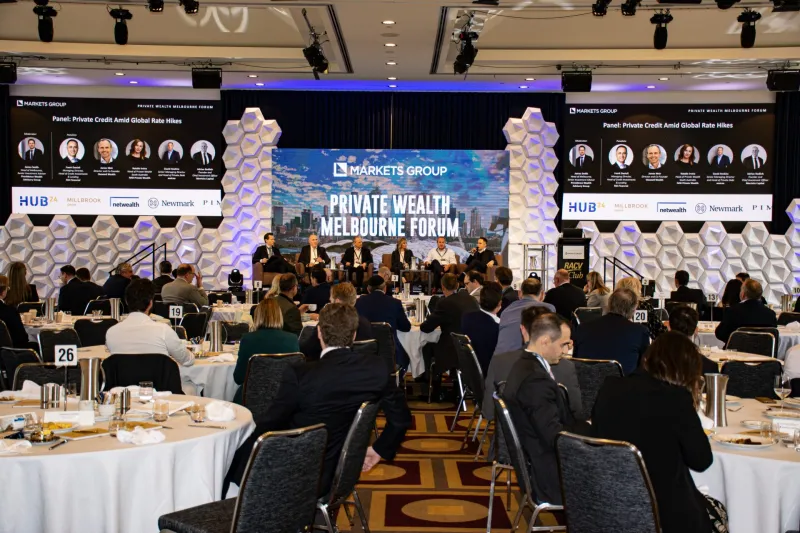
Photo: audio visual professional talking with client at event venue, via mav.com.au
Let's get uncomfortable for a second.
You spent years learning your craft. You know your signal chain cold, your RF coordination is tight, and your racks are cleaner than most people's apartments. And yet, somehow, a client you've worked with three times just hired someone else for their biggest event of the year. They didn't even call you.
Nine times out of ten, that's not a gear problem. That's a communication problem.
This is one of the most consistent patterns we hear about in the AV community — technically strong pros who quietly bleed clients because they never developed the business communication skills to match their technical chops. Nobody talks about it much, because it's easier to blame a competitor's pricing or a client who "just doesn't get it." But the pattern is real, and it's fixable.
The Quote That Felt Like a Riddle
Here's a scenario that probably sounds familiar. A corporate event planner reaches out for a proposal on a half-day conference. You send over a quote. It's thorough — line items for every cable run, labor broken out by role, gear listed by model number. You're proud of it.
She never responds.
What happened? From her side, she got a document that looked like an equipment manifest from a NASA launch. She had no idea what half of it meant, she couldn't tell what was included versus optional, and she wasn't sure if the total was per-day or for the whole job. Rather than ask and feel dumb, she called the other AV company — the one whose quote had three clear line items and a plain-English summary paragraph at the top.
Your quote was technically more accurate. Hers was more human. Guess which one got the gig.
A useful rule of thumb: if your client can't explain your quote to their boss in two sentences, it's not clear enough. That's not dumbing it down — that's doing your job.
Expectation-Setting Is a Deliverable
One of the biggest gaps in how AV pros handle client relationships is treating expectation-setting as a formality rather than a core service. You walk a venue, you load in, you do the show. But somewhere between the initial call and load-out, nobody had a clear conversation about what "success" actually looked like for this particular client.
For you, success might mean a clean PA, no feedback, and everything striking on time. For your client, success might mean that their CEO could hear himself in the confidence monitor and that the livestream didn't drop. Those aren't the same thing, and if you didn't ask, you're guessing.
Before every event, it's worth having a direct conversation — even a short one — where you ask: What does a win look like for you today? You'll be surprised how often the answer reveals a priority you would have missed entirely. And when you deliver on that specific thing, that's what they remember.
The Follow-Up Gap
Here's a cold truth about client retention in the AV world: most freelancers are great at the show and invisible afterward. You strike the gear, send the invoice, and move on to the next gig. Your client goes back to planning their next event — and when they need AV again, they Google someone.
A simple post-event check-in — even just a short email a few days later asking how the event landed with their stakeholders — does more for repeat business than almost any other single action. It signals that you're invested in their outcome, not just your day rate. It also opens a natural door to talk about future events before someone else gets in front of them.
This doesn't have to be elaborate. Two or three sentences, genuine and specific to their event, is plenty. The pros who build stable client rosters tend to be relentless about this kind of low-effort, high-impact follow-through.
When Scope Creep Becomes a Trust Problem
Scope creep is usually framed as a billing issue, but it's really a communication issue wearing a dollar sign. When a client asks you to "just add a couple more mics" at load-in, and you say yes without flagging the cost or the impact on your setup time, you've created a problem — even if you absorb it gracefully in the moment.
The client doesn't see the invisible labor you swallowed. What they might see, later, is a final invoice that's higher than the quote, or a show that felt rushed because you ran out of time. Neither of those feels good, and both are traceable back to a conversation that didn't happen at the right moment.
The fix isn't to be rigid or combative about changes. It's to narrate them. "I can absolutely add those mics — just so you know, that'll push us about 45 minutes on setup and add roughly X to the total. Want me to go ahead?" That one sentence protects you, respects the client, and keeps the relationship clean.
Practical Moves You Can Make This Week
If any of this is landing, here are a few concrete things worth trying:
Rewrite your quote template. Add a plain-English summary section at the top that explains what's included in one short paragraph. Save the detailed line items for the appendix.
Build a pre-event call into your process. Even 15 minutes on the phone before a new client's event to align on priorities pays dividends. Make it part of your standard workflow, not an exception.
Create a post-event follow-up template. Keep it short and genuine. Personalize it with one specific detail from their event so it doesn't feel like a form letter.
Practice the scope conversation. Literally rehearse how you'd handle a mid-show change request. The goal is to respond calmly and clearly in the moment, not reactively.
The Long Game
The AV industry is more relationship-driven than most people outside it realize. Gear gets better every year, prices compress, and the technical bar keeps rising — which means technical skill alone is less and less of a differentiator. What stays scarce is the pro who makes clients feel informed, respected, and confident from the first call to the final invoice.
That's not a soft skill. That's a competitive advantage. And unlike most gear, it doesn't depreciate.