Is Your Gear Actually Earning Its Keep? The Freelance AV Pro's Guide to Smarter Spending
Is Your Gear Actually Earning Its Keep? The Freelance AV Pro's Guide to Smarter Spending
Let's be real: most of us in the AV world buy gear on gut instinct. A shiny new 4K laser projector hits your radar, a vendor throws a decent financing deal your way, and suddenly you're convincing yourself it'll "pay for itself in no time." Sometimes that's true. A lot of the time, it isn't — at least not in the timeline you imagined.
If you're a freelancer or running a small AV operation, every purchase decision carries real financial weight. You don't have a corporate procurement team smoothing things over. So it's worth slowing down and asking: what does "paying for itself" actually mean, and how do you measure it?
Here's how to think through the ROI on your tech stack in a way that goes beyond vibes.
Start With Billable Hours, Not Sticker Price
The most overlooked metric in any gear purchase isn't the cost — it's the time. Specifically, how many billable hours does this piece of equipment unlock, protect, or save?
Take a wireless presentation system like a Barco ClickShare or a Crestron AirMedia unit. At $600–$1,200 depending on the model, it might not seem like an obvious win. But if it cuts your setup time at corporate gigs by 45 minutes per event, and you're doing 30 events a year at a $75/hour labor rate, you've just found $1,125 in recovered time annually. You're close to break-even in year one — and that's before factoring in the polish it adds to your client experience.
The formula isn't complicated:
Break-even timeline = Equipment cost ÷ (Hours saved per event × Hourly rate × Events per year)
Run this on every significant purchase. You'll be surprised how fast some tools pay off — and how slow others do.
The Real Cost of Unreliable Gear
Here's a number most freelancers never actually track: the cost of a gear failure. Not just the repair bill, but the downstream damage.
Consider what happens when a projector dies mid-event. You may eat the rental cost of a replacement. You might lose a repeat booking. In the worst case, word gets around. In a relationship-driven industry like AV, one bad night can quietly cost you thousands in future work.
A community member on this site once shared that switching from a budget DLP projector to a mid-range laser unit — a jump of about $2,800 — effectively eliminated the lamp-related failures that had cost him two client relationships in a single year. He estimated those two lost clients represented around $6,000 in annual recurring revenue. The math wasn't close.
When you're evaluating gear reliability, look at:
- MTBF (Mean Time Between Failures) listed in manufacturer specs
- Warranty terms and turnaround time for repairs
- Rental availability of the same model in your area (a backup plan matters)
Reliability isn't glamorous, but it's one of the highest-ROI factors in your tech stack.
Software Is Where People Leave Money on the Table
Hardware gets all the attention, but subscription software often delivers faster, more measurable returns — and gets less scrutiny.
A $500/year show control or event management platform might feel like overhead. But if it lets you take on two additional events per month because your prep time dropped significantly, you've likely 5x'd that investment inside of 12 months.
Specific categories worth evaluating:
- Signal management software (like QSC Q-SYS or Crestron toolsets): Can reduce troubleshooting time dramatically on complex installs
- Project and invoicing tools (Jobber, HoneyBook, or even a well-configured QuickBooks): Faster invoicing = faster payment. Seriously track your average days-to-payment before and after.
- Remote monitoring platforms: For AV contractors managing installed systems, tools that let you diagnose issues without an on-site visit can eliminate entire service calls
For each software subscription, track a simple before/after on the metric it's supposed to affect. Don't just assume it's working.
Client Retention as a Hidden ROI Multiplier
This one's harder to quantify, but it's too important to skip. Some equipment upgrades don't just save time — they change how clients perceive you.
A $500 LED uplighting kit might seem like a minor add-on. But if it consistently leads to upsell opportunities on event packages, or prompts clients to mention you to their event coordinator contacts, the lifetime value of that purchase balloons quickly.
Try this exercise: for every significant gear purchase in the last two years, ask yourself whether it changed the types of clients or events you attracted. Higher-end gear often opens doors to higher-margin work — not because clients are snobs, but because they associate professional equipment with professional execution.
Track your average job value year-over-year alongside your gear investments. The correlation won't be perfect, but trends will emerge.
Building a Simple Gear ROI Spreadsheet
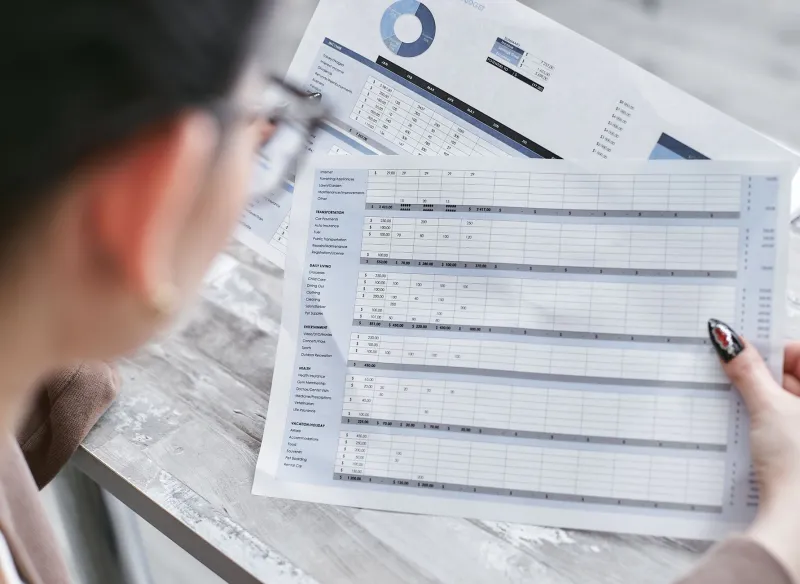
You don't need fancy software to do this. A basic spreadsheet with the following columns gets you 80% of the way there:
| Equipment | Purchase Cost | Avg. Events Used/Year | Time Saved Per Event | Labor Rate | Annual Value | Break-Even (Months) |
|---|---|---|---|---|---|---|
| Laser Projector | $3,200 | 40 | 0.5 hrs | $85 | $1,700 | 22.6 mos |
| Wireless Presentation System | $850 | 30 | 0.75 hrs | $75 | $1,688 | 6 mos |
| LED Uplighting Kit (8 pcs) | $480 | 20 | 0 hrs saved | N/A | $1,200 upsell | 4.8 mos |
Notice that the most expensive item (the projector) has the longest break-even timeline — but that doesn't automatically make it a bad purchase. It might still be worth it for reliability, client perception, or access to higher-paying gigs. The spreadsheet just forces you to have that conversation with yourself honestly.
The Bottom Line
Spending money on AV gear will never stop being tempting. And honestly, that's not a problem — upgrading your kit is part of growing your business. The issue is buying without a framework for evaluating whether it worked.
Start tracking billable hours recovered. Document reliability incidents and what they cost you. Run the break-even math before you swipe the card, not after. And don't forget that software and smaller tools often punch way above their weight class.
The freelancers and small shops that thrive long-term aren't necessarily the ones with the most gear. They're the ones who know exactly what each piece of their stack is doing for their bottom line.