Upgrade or Hold? A Field-Tested Framework for Deciding When New AV Gear Is Actually Worth It
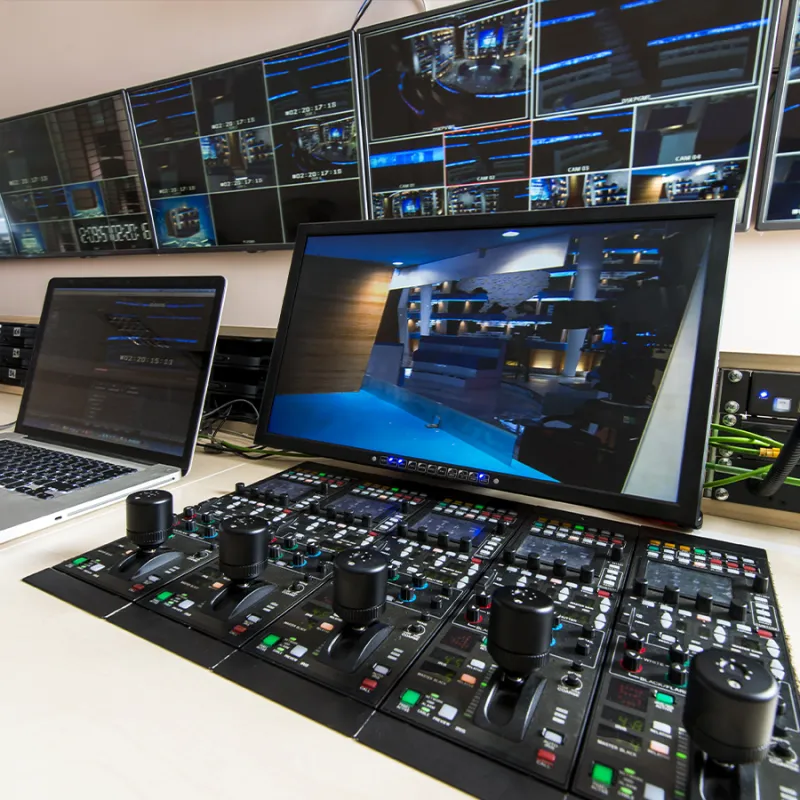
Photo: audio visual professional comparing equipment in a gear room, via icsarabia.com
Somewhere between last year's InfoComm floor and this morning's manufacturer email blast, you probably started feeling like your rig was already behind. That's not an accident. The AV industry moves fast, and the people selling gear have a vested interest in making sure you feel the pressure. But here's the thing — not all obsolescence is created equal, and treating every product cycle like a mandate to spend is one of the fastest ways to wreck your margins.
Let's slow down and actually think through this.
The Difference Between Obsolete and Just Old
There's a meaningful gap between gear that can no longer do the job and gear that simply isn't the newest version of itself. A lot of working AV pros conflate the two, and manufacturers are more than happy to keep that confusion going.
True obsolescence happens when a piece of equipment can no longer meet the technical requirements of the work you're being hired to do. A switcher that doesn't support the signal formats your clients are now demanding? That's a real problem. A projector that still throws a clean, bright image in the environments you're working in? That's not obsolete — that's paid off.
Marketing-driven obsolescence is different. It's when a manufacturer releases a new model with a spec bump that sounds impressive in a press release but makes zero practical difference in your actual workflow. If you can't point to a specific job where the new feature would have changed an outcome, you probably don't need it yet.
Categories That Depreciate Fast Versus Categories That Don't
Not all AV gear ages at the same rate. Understanding which categories have shorter useful lifespans helps you plan your budget instead of just reacting to it.
Fast-moving categories — things where you genuinely need to stay current — include anything tied to networking and IT infrastructure (control systems, AV-over-IP endpoints, software-defined processing), display technology at the commercial level, and wireless audio systems subject to FCC frequency reallocations. These areas are evolving quickly enough that falling behind can actually cost you work.
Slower-moving categories include analog signal processing, passive speaker systems, standard copper cabling infrastructure, and most mechanical hardware like mounts, rigging, and road cases. A well-built subwoofer from eight years ago is still a well-built subwoofer. A solid passive loudspeaker doesn't care what year it is.
Power amplifiers sit somewhere in the middle — DSP-equipped models evolve faster than traditional analog amps, but neither category turns over as quickly as control and networking gear.
Build a Two-Column List Before You Buy Anything
Here's a practical habit worth developing: before you pull the trigger on any upgrade, make a two-column list. On the left, write down what the new gear does that your current gear doesn't. On the right, write down specific jobs or client scenarios where that difference would have mattered in the last 12 months.
If the right column is empty, wait. If the right column has two or more real examples, you have a case for the upgrade. This isn't a perfect system, but it forces you to connect gear decisions to actual revenue rather than to FOMO.
Bonus move: run the same list against your rental rate projections. If you can realistically recoup the cost of the new gear in added rental revenue or new project eligibility within 18 months, the math probably works. If you're looking at a three-year payback window on a category that might shift again before then, be more skeptical.
The 'Client Requirement' Test
One of the cleaner ways to evaluate an upgrade is to ask whether any current or prospective client has specifically asked for a capability you don't have. Not implied it, not made you feel vaguely like you should have it — actually asked for it.
This is especially useful for display and collaboration technology, where the hype cycle runs hot. 4K was a real client requirement for some markets years before it was a requirement for others. The same dynamic is playing out right now with LED video walls, wireless presentation systems, and certain categories of hybrid meeting tech. Your market may be ahead of that curve or behind it, and only you know which clients you're actually serving.
If your regional market is primarily mid-sized corporate clients doing standard conference room installs, you may have more runway on certain technologies than someone doing large-scale live events in a major metro. Don't let the trade press make you feel otherwise.
Depreciation Is Not the Enemy — Ignoring It Is
Every piece of gear you own is losing value. The question is whether it's losing value faster than it's generating it. Pros who stay ahead of this track depreciation by category and build replacement cycles into their business planning rather than scrambling when something breaks or becomes unsellable.
A rough rule of thumb used by a lot of experienced freelancers: plan to replace networking and control gear on a four-to-five-year cycle, display technology on a five-to-seven-year cycle depending on usage, and passive audio infrastructure on a ten-plus-year cycle if it's been well maintained. These aren't hard rules, but they give you a planning framework that's more useful than waiting for something to feel old.
Also worth noting: the used gear market is your friend here. Selling equipment before it bottoms out — while it still has real resale value — and rolling that money into the next generation is a strategy that keeps your rig current without requiring you to absorb the full cost of every upgrade cycle. Timing matters. A switcher that sells for 60% of its original value today might be worth 20% in two years if the category moves fast.
Stop Buying the Hype, Start Buying the Gap
The AV industry will always have something new to sell you. That's fine — innovation is genuinely useful, and new technology does create real competitive advantages. But the pros who build sustainable businesses aren't the ones with the newest gear. They're the ones who know exactly what gap they're filling with every purchase and can explain why that gap costs them money if they don't close it.
Upgrade when the work demands it. Hold when it doesn't. And build enough margin into your pricing that when a genuine leap forward does come along, you're ready to move on it — not scrambling to justify it after the fact.