When Plan A Falls Apart: Building the Backup Kit That Saves Your Reputation
Ask any AV veteran about their worst gig story and you'll get one of two answers: either they'll laugh it off because they had a backup ready, or they'll get that thousand-yard stare and quietly change the subject. The margin between those two outcomes usually isn't talent, experience, or even the quality of your primary gear. It's whether you thought through what happens when something breaks at the absolute worst time.
Spoiler: something always breaks at the absolute worst time.
This isn't about being paranoid. It's about understanding that reliability is the product you're actually selling. Clients don't hire you for your switcher or your console—they hire you because they trust the show will go on. And the only way to back up that trust is to literally back up your equipment.
The Failure That Sticks With You
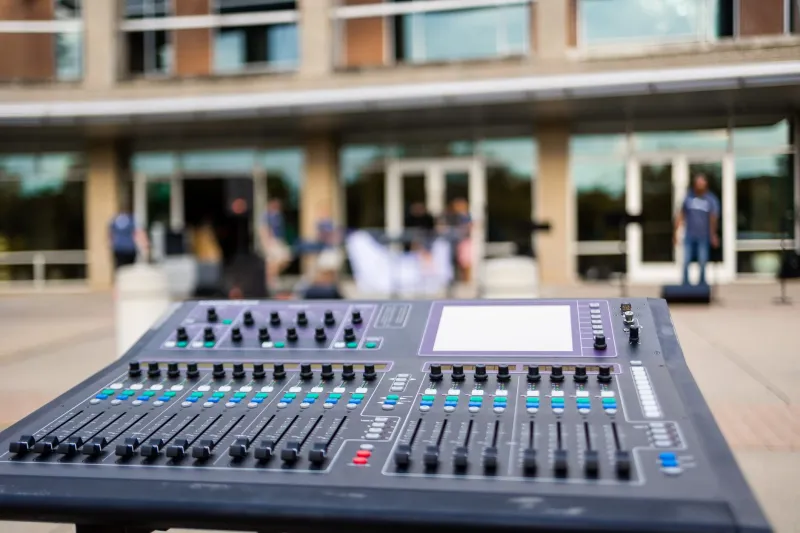
A longtime community member here on AVP Users shared a story a while back that a lot of us recognized immediately. He was running audio for a corporate awards dinner in Chicago—about 400 guests, open bar, the works. Thirty minutes before the CEO took the stage, his main digital mixer threw a firmware error nobody had ever seen before. Complete lockout. The house had a basic analog board in a back closet, but it wasn't patched into anything useful, and the clock was running.
He managed to cobble something together, but the first ten minutes of that keynote sounded rough. He didn't lose the client that night, but he didn't get called back either. "I had spares for everything except the thing that actually failed," he wrote. That line has stuck with the community ever since.
The lesson isn't that you need a backup for every single piece of gear—that's financially absurd for most working techs. The lesson is that you need to think probabilistically about what's most likely to fail and what the consequences of that failure look like in real time.
Thinking in Tiers, Not Totals
Here's a framework that a lot of experienced AV folks use when building out their redundancy strategy. Think of your backup kit in three tiers based on two factors: how likely is this item to fail, and how catastrophic is that failure mid-show?
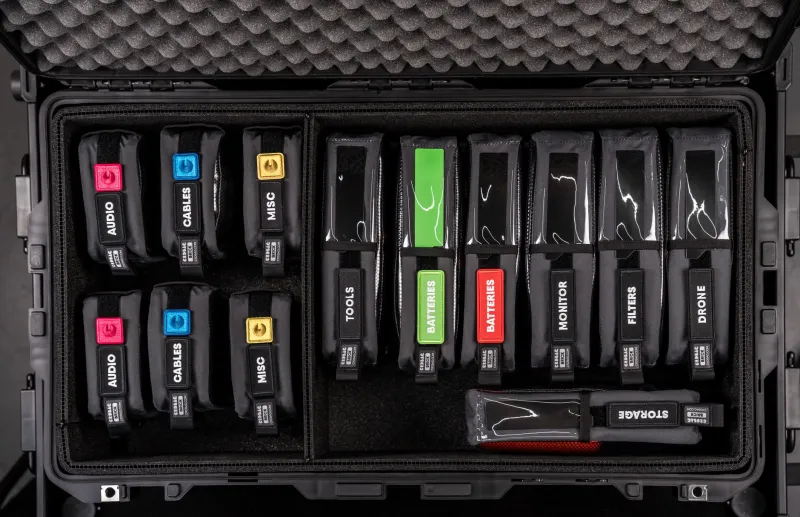
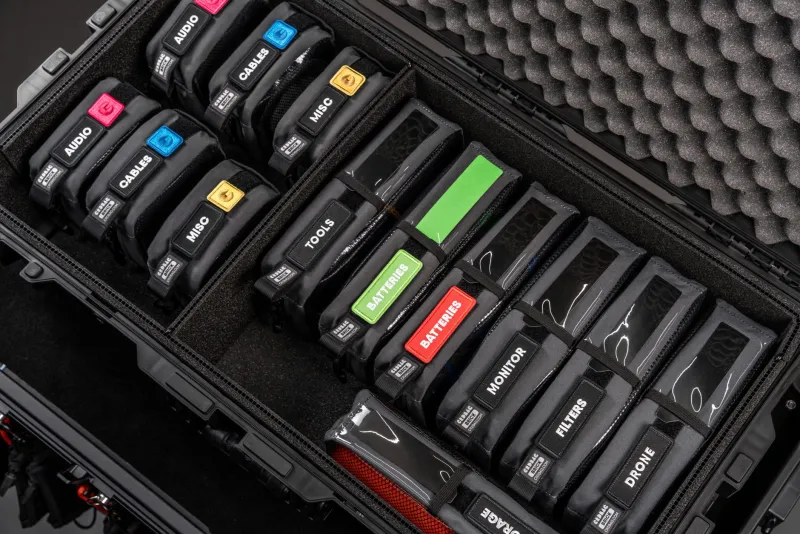
Tier 1 — Always Have a Spare: These are the consumables and high-failure-rate items that are cheap enough to double up without much thought. We're talking batteries (and not just a few—bring way more than you think you need), cables, adapters, wireless mic capsules, fuses, and gaff tape. These items fail constantly and they're easy to forget because they're small. A dead AA battery shouldn't end a show, but it does more often than anyone wants to admit.
Tier 2 — Carry a Functional Backup: This tier covers the items where failure would seriously disrupt the show but where a full duplicate isn't realistic. A spare DI box, a backup wireless receiver, a secondary laptop loaded with your show files, a small passive mixer you can drop in if the main console goes sideways. These don't have to be the same quality as your primary rig—they just have to work well enough to get through the night.
Tier 3 — Have a Plan, Not Necessarily the Gear: For big-ticket items like your main console, projector, or LED processor, carrying a full duplicate is usually out of reach. But you can still have a plan. Know the nearest rental house in whatever city you're working. Keep relationships with other local techs who might be able to loan gear in an emergency. Find out in advance if the venue has house gear you could fall back on. The backup here is knowledge and relationships, not hardware.
The Cables Conversation (Again)
We've talked about cables on this site before, and we'll probably keep talking about them because they remain the single most underestimated failure point in live AV. A $12 XLR cable can take down a $40,000 system. And yet plenty of working professionals are still running cables they've had since the Obama administration without ever testing them.
Get yourself a cable tester. Test your cables before every gig, not just when something sounds wrong. And carry spares—not one spare, actual spares. A good rule of thumb from the community: for every cable run you're depending on, have at least one replacement in your bag. For critical runs, have two.
The Psychological Side of Redundancy
Here's something that doesn't get discussed enough: having a solid backup kit doesn't just save shows, it changes how you operate during them. When you know you've got a fallback, you troubleshoot calmly instead of panicking. You communicate clearly with clients instead of going quiet and hoping nobody notices something's wrong. You make better decisions.
Clients pick up on that energy. A tech who's visibly stressed at the first sign of trouble loses credibility fast. A tech who says "we've got an issue, here's how we're handling it" and then actually handles it? That person gets rehired.
Building redundancy into your kit is partly a logistics exercise, but it's also an investment in your own confidence on the job.
Budget-Friendly Ways to Build Out Your Backup Kit
If you're early in your career or working with tight margins, the idea of buying duplicate gear can feel impossible. A few practical ways to build your backup kit without going broke:
- Buy previous-gen gear as backups. That console model you upgraded from two years ago? It's worth keeping as a backup. Same goes for wireless systems, interfaces, and laptops. Older gear that still works reliably is perfect for backup duty.
- Split costs with a trusted colleague. If you've got a working relationship with another local AV tech, consider co-owning certain backup items you can loan each other when needed. It cuts the cost in half and builds community at the same time.
- Prioritize based on your most common gig type. If you mostly do corporate presentations, your backup priorities look different than if you're primarily doing live music. Focus your redundancy budget on the failure points that would hurt you most in your actual work.
- Check the used market. Reverb, eBay, and local Facebook AV groups often have perfectly functional gear at significant discounts. Backup gear doesn't need to be new—it needs to be tested and ready.
Making It a Habit, Not an Afterthought
The best backup kits in this business didn't get built all at once. They evolved over time, usually after something went wrong and a tech thought, "I'm never getting caught without that again." The goal is to shorten that learning curve by building the habit before the failure happens.
After every gig, spend five minutes thinking about what could have gone wrong that didn't. What would you have done if your main wireless dropped out? What if the venue's power was noisy and you hadn't brought a power conditioner? Run those mental simulations while the show is still fresh.
The AV professionals who build the most durable reputations aren't the ones with the fanciest gear. They're the ones clients call because they know the show will happen, no matter what. That reliability is built in the cases you pack before you ever leave for the venue.
Pack accordingly.